
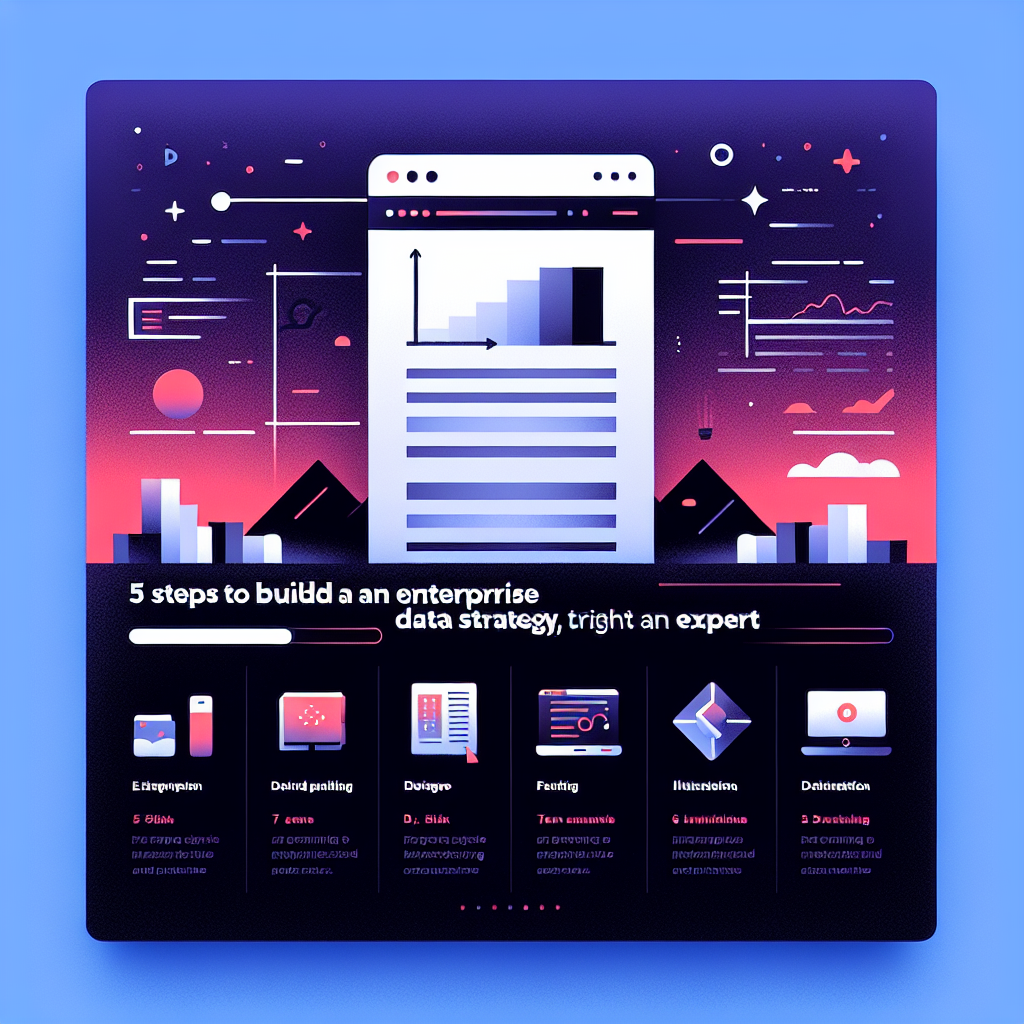
Overcoming the Data Dilemma: A Small Business Owner’s Guide
Ever scroll through your data and feel like you’re lost in a sea of numbers? Ni modo! You’re not alone. Many small business owners here in South Texas, especially in bustling McAllen, are grappling with the same issue — feeling overwhelmed by the data they collect but not knowing how to manage or utilize it effectively.
Data shouldn’t feel like a scary monster waiting to eat your marketing budget; it should be your trusty sidekick! Yet, with the rapid growth of data, some wonder if investing in a solid data strategy is essential. You might think, “My business is small; do I really need to worry about data?” ¡Claro que sí! A robust data plan can be the backbone of your growth strategy, leading you confidently into the future.
Why You Should Embrace an Enterprise Data Strategy
Picture this: your teams are collecting loads of data every day — but each group interprets that data differently. This results in confusion and inconsistencies, just like trying to run your business without a clear plan. When there’s no standard way of reporting, how can you trust that the insights you gather are accurate?
With a streamlined data strategy, you can dodge those information silos and lay a foundation of trust, helping everyone make smart business decisions. Our expert, Zosia Kossowski from HubSpot, emphasizes that data must not live in isolation. “The marketing team isn’t just dealing with marketing data; they want insights from across the organization,” Kossowski says. That’s the magic of having a solid data strategy!
Key Factors to Consider When Crafting Your Data Strategy
1. Start with Self-Assessment
Before diving into the data pool, take a moment to assess where you stand. Ask yourself: How mature is my data approach? You can utilize resources like the Data Maturity Model from Dell, which categorizes companies into stages ranging from “Data Aware” to “Data Driven.” Be honest about your current situation; this forms the bedrock for what steps you’ll take next.
2. Think About Your Industry and Company Size
The way you approach your data strategy will depend on your specific industry and company size. Are you in fast-paced tech or in a more regulated field like healthcare? This will impact whether you need a centralized or decentralized strategy.
For example, smaller companies might benefit from a centralized approach while larger teams might want the flexibility of a decentralized strategy. As Kossowski points out, “As you grow, a decentralized strategy usually becomes more effective.”
3. Build the Right Team
If you’re considering adding to your data team, focus on hiring the right foundational roles first. You don’t necessarily want to start with a flashy data scientist. Instead, consider bringing on a data analyst with strong SQL experience who can help structure your data effectively. With a solid foundation in place, your team can scale and take informed steps moving forward.
Crafting Your Data Management Framework
When it comes to organizing your data strategy, there are crucial components to keep in mind:
1. Outline Your Data Architecture
Understanding the nitty-gritty of your data is foundational! Ask yourself:
- Where will my data be stored?
- What types of data do I need?
- How will everything be organized?
Getting a grip on these aspects allows you to make a solid management plan.
2. Define Team Relationships
How do your teams interact with data? Creating clarity around expectations for both your teams and the Business Intelligence (BI) department will help streamline efforts. It’s crucial to keep these roles distinct to facilitate smooth functioning across teams.
3. Assign Ownership
Make sure everyone knows who’s accountable for what. If your operational team isn’t taking ownership of their data, you’re likely headed for trouble down the line. Accountability helps ensure data quality from the very start.
4. Establish Government Policies
Think of data governance as the rulebook for using and managing your data responsibly. Kossowski shares that these policies tell your teams, “If you want to be part of our trusted data source, here are the criteria you need to meet.”
5. Reassess Your Strategy Regularly
Your strategy will naturally evolve, especially as your business grows or changes direction. Kossowski recommends a check-in every six months to a year. If you notice your team is frustrated or there’s a lack of trust in the data, it’s time to adjust.
Moving Forward with Confidence
In McAllen and beyond, the way you handle your data can make or break your business. Having a professional website that aligns with your marketing goals is vital. Ericks Web Design, based right here in the Valley, understands the local landscape and is dedicated to helping businesses like yours thrive online.
Ready to Level Up?
Dale gas and don’t let confusion slow you down! Understanding and implementing a data strategy will not only boost your decision-making capabilities but also help you stay ahead of the competition. So, hit us up! Let’s chat about turning your data into powerful insights and get those leads rolling in!
Source:
https://blog.hubspot.com/marketing/enterprise-data-strategy