Is Your Website Just Sitting There?
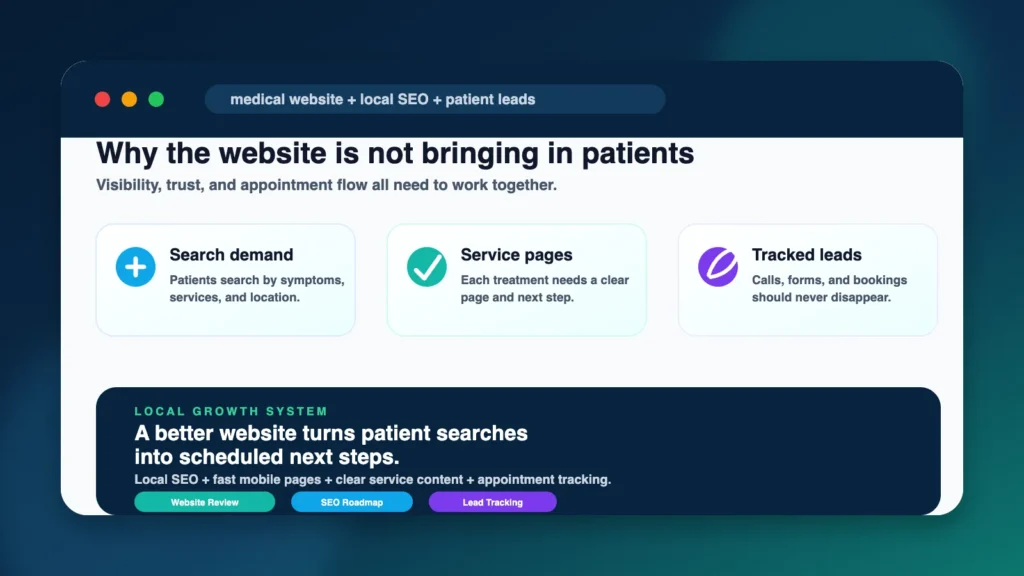
Ever felt like your website’s just collecting dust? You know the one — it looks nice, but it’s not bringing in any clients. ¿Por qué no llegan los clientes, even though you invested in that site? Don’t worry, you’re not alone. In the bustling business landscape of South Texas, especially here in McAllen, many small business owners are grappling with the same issue.
Imagine losing leads every single day because your online presence is outdated or not aligned with what your potential customers are searching for. Let’s talk about how to turn that around with some smart strategies.
The Reality of SEO Today
A decade ago, SEO was a whole different ballgame. The strategy was simple: pick a few keywords, sprinkle them throughout your content like confetti, and boom — you’d be ranking at the top of search engine results.
But times have changed. With updates like Hummingbird and RankBrain, Google now prioritizes something called semantic search. What does that mean for you as a business owner? It means that understanding the intent behind what your customers are searching for is key to being found.
Semantic search connects the dots between search intent and content context. Instead of just matching keywords, it’s about genuinely understanding your potential customers’ needs.
Why This Matters for Your Business
So, how does this new approach affect your search traffic? For starters, if your content doesn’t align with what users actually want, it won’t rank. Imagine putting in all that effort to create a beautiful website, only for it to gather virtual dust!
Instead, let’s focus on what can bring customers your way.
Understanding Semantic Search
What is Semantic Search?
Semantic search is all about getting to know the “why” behind a search. It aims to understand the reasons a customer might use certain keywords and matches them with relevant content. For example, if someone searches for “best tacos in McAllen,” semantic search helps Google present options that reflect the intent behind that query.
Pro tip: Don’t confuse semantic search with Latent Semantic Indexing (LSI). While LSIs help add context to your content, semantic search digs deeper into the meaning of search queries.
Key Factors in Semantic Search
-
User Intent: Understand why people are searching for what they are. Are they looking to buy, learn, or find specific services? For instance, searching “best web design in McAllen” reveals a different intent than “how to design a website for my business.” Tailoring your content to match this intent can dramatically improve your website’s performance.
-
Related Terms and Context: When you choose keywords, think broader. For example, if you target “marketing strategies,” also include related terms like “digital marketing,” “social media,” and “branding.” This way, you cover more ground and are more likely to attract a variety of potential clients.
Examples to Drive the Point Home
Let’s say you Google “order a pizza.” You’ll likely see local pizza joints popping up in your search results because Google understands that you probably want to place an order.
Now, if you search “make a pizza,” you’ll get recipe results instead. Semantic search not only boosts your chances of being discovered but also leads users to exactly what they need at that moment.
In essence, your website can only show up for relevant keywords if it provides content that matches the surrounding context of those searches.
How Google Uses Semantic Search
Google’s ultimate goal is to provide a great user experience. Here’s how they do it with semantic search:
- They filter out low-quality content.
- They decipher user intent. Are they navigating to a website or researching more about a topic?
- They provide straightforward answers to questions.
- They link up ideas from the Semantic Web to offer comprehensive results.
By understanding these mechanisms, you can fine-tune your website to ensure it aligns well with Google’s criteria.
Boosting Your Online Presence Locally
Now that you know the importance of semantic search, what should you do next? Here’s the scoop for small business owners in McAllen:
- Focus on Topics, Not Just Keywords: Build content around broader topics that encompass multiple keywords.
- Understand Your Audience’s Intent: Are users trying to buy? Do they want to learn? Adjust your content to meet these needs.
- Leverage Local SEO: Make sure your website is optimized for local searches. Use keywords relevant to McAllen and the surrounding area.
- Invest in Professional Web Design: A custom-built website will help you stand out in the local market, ensuring that your design reflects your brand and meets modern SEO needs.
At Ericks Web Design, we’re proud to be based right here in the Valley. We know what works for local business owners and have the experience in Web Design, SEO, Branding, and Smart Integrations to back it up.
Ready to Upgrade Your Online Game?
Don’t let your website be just another online presence — make it a powerful tool for driving leads. Check out our Web Design Services and let’s transform your site together.
Ready to take the leap? Schedule a call today, and let’s build something that actually works!